

Contemporary Challenges Facing Our Planet
1 global warming by 2100: Intensifying humanitarian emergencies with more frequent and severe heatwaves, wildfires, floods, tropical storms, and hurricanes.
1 people live in climate-vulnerable areas, with regions having weak health systems—mostly in developing countries—least able to prepare and respond without external support.
1 people lack electricity access, and 1 depend on polluting stoves and fuels for cooking, causing harmful indoor air pollution and health risks.
1 people lack safe drinking water, causing 1 diarrhoeal deaths annually from diseases like diarrhoea, cholera, dysentery, typhoid, and polio.
CityUHK "FIRST" Programme
CityUHK leads the Fostering Innovation for Resilience and Sustainable Transformation (FIRST) Programme, an initiative aimed at developing affordable technologies in collaboration with global partners to promote sustainability and enhance the quality of life, particularly in underprivileged regions.
We are committed to advancing sustainable development through the power of:
Science
Technology
Innovation
Visions

Promote Sustainability and Resilience through innovative, affordable technologies that improve living conditions in underprivileged regions.

Achieve Tangible Impact on SDGs by addressing clean water, affordable energy, climate action, and sustainable communities through science and innovation.

Foster Global Collaboration and Capacity Building via partnerships with over 20 countries and institutions to co-develop and deploy transformative solutions.

Create Lasting Socioeconomic Benefits by empowering communities with job creation, local training, and circular economy models that uplift livelihoods.
4 Transformative Technological Innovations
Passive Radiative Cooling Coating
Developed by Prof. Edwin Tso, this technology uses local waste materials to reduce house temperatures by up to 30°C, enhancing thermal comfort without the need for electricity.
Applications: Community housing, rural schools, health clinics, temporary shelters.
Impact: Improved thermal comfort, reduced carbon emissions, and local community empowerment.
Affordable Printable Solar Films
Developed by Prof. Alex Jen and Prof. Angus Yip, these scalable perovskite solar cells provide affordable electricity for rural areas.
Applications: Rural homes, schools, health outposts, water pumps.
Impact: Access to electricity, clean cooking, irrigation support.
Biomass Waste-to-Value Conversion
Developed by Prof. Charles Xu and Prof. Carol Lin, this technology converts biomass and plastic waste into biofuels and other useful materials, promoting circular economies.
Applications: Urban slums, agricultural villages, remote towns.
Impact: Sustainable waste management, reduced reliance on fossil fuels.
Human-Powered Sanitation System
Developed by Prof. Zhiguo Yuan, this electricity-free UV disinfection system uses triboelectric generators to provide safe, potable water.
Applications: Remote villages, disaster zones.
Impact: Improved access to clean water, reduced incidence of waterborne illnesses.
Impacts
Short-term impacts

Immediate Improvements in Quality of Life

Capacity Building and Community Engagement

Pilot Testing and Validation

Job Creation
Long-term impacts

Transformative and Scalable Solutions

Strengthened Resilience Against Global Challenges

Sustainable Economic Development

Cultural Shift Towards Sustainability

Advancement of Global Scientific Knowledge

Institutional Leadership in Sustainability
Timeline for Pilots

Hunan, China
Cooling innovations were introduced at a boarding school that cares for 239 students—many of whom are orphans or come from extremely vulnerable households—bringing comfort, dignity, and a sense of hope to young people facing some of life’s toughest challenges.
・ Oct 2025 - Kuzhi Yucai School (苦志育才公益学校)

Hong Kong SAR, China
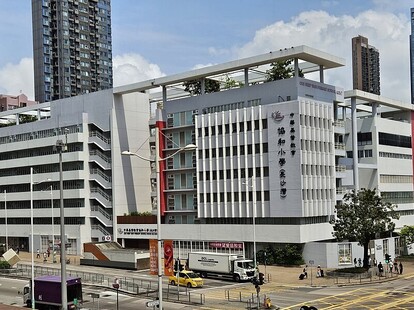
Cooling innovations were implemented across two schools in Hong Kong, engaging over 450 students through hands‑on STEM workshops, experiments, and demonstrations.
・ Oct 2025 - Chong Gene Hang College (張振興伉儷書院)
・ Feb 2026 - C.C.C. Heep Woh Primary School (Cheung Sha Wan) (中華基督教會協和小學(長沙灣))
Ho Chi Minh City, Vietnam
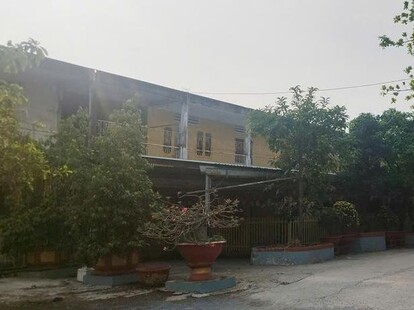
Cooling innovations will be delivered to improve the living conditions of around 80 elderly residents and orphans, offering greater comfort and care to those who rely on this community for safety, dignity, and support.
・ Apr 2026 - Tu Hanh Buddhist Temple (Chùa Từ Hạnh)
