


Advancing Climate Resilience Across Northern China: UN-FIRST Programme Delivers Passive Radiative Cooling Solutions at a Primary School in Shandong Province
10 June 2026
The Fostering Innovation for Resilience and Sustainable Transformation (FIRST) Programme, an initiative endorsed by UNESCO and led by City University of Hong Kong (CityUHK), expanded its climate resilience efforts to northern China with the implementation of passive radiative cooling technology at Beima Primary School in Longkou City, Shandong Province, on 10 June 2026.

Supported by partners including Sanskrit and Towngas, the project introduced passive radiative cooling technology to improve thermal comfort for students and educators. The initiative is expected to benefit approximately 600 students, teachers, and staff, creating a more comfortable learning and working environment, particularly during the summer months.
Beima Primary School serves a community in a less economically developed region of northern China, where piped gas services were only recently introduced. During the expansion of community infrastructure, local needs were identified, including challenges related to excessive indoor heat. In response, the FIRST Programme deployed its passive radiative cooling technology to help address these challenges.
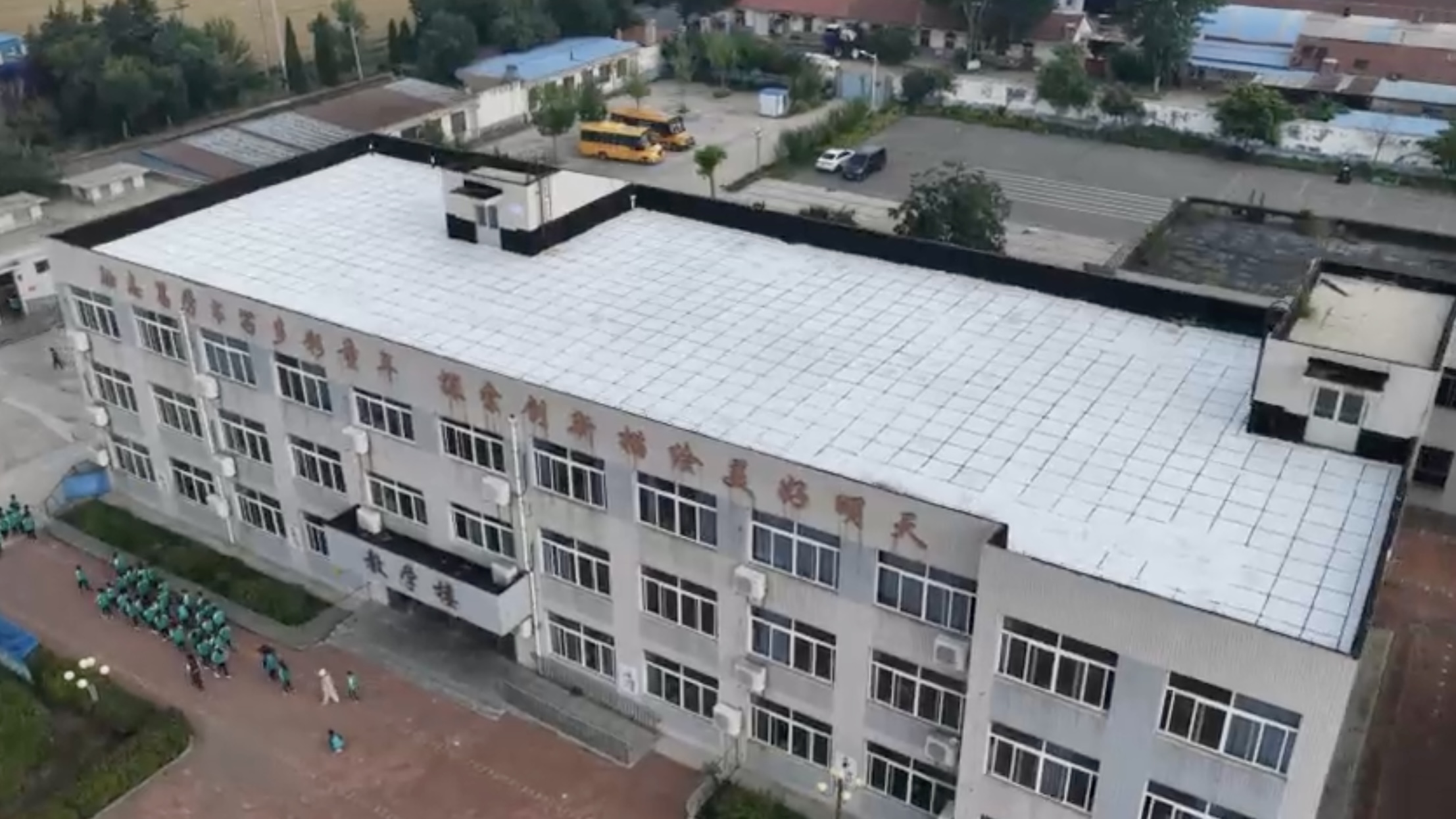
A key highlight of the project was the application of passive radiative cooling coatings on the school's rooftop. Designed to reduce solar heat absorption and enhance heat dissipation, the coating helps lower indoor temperatures without consuming electricity, offering a practical and sustainable solution for schools in hot climates.
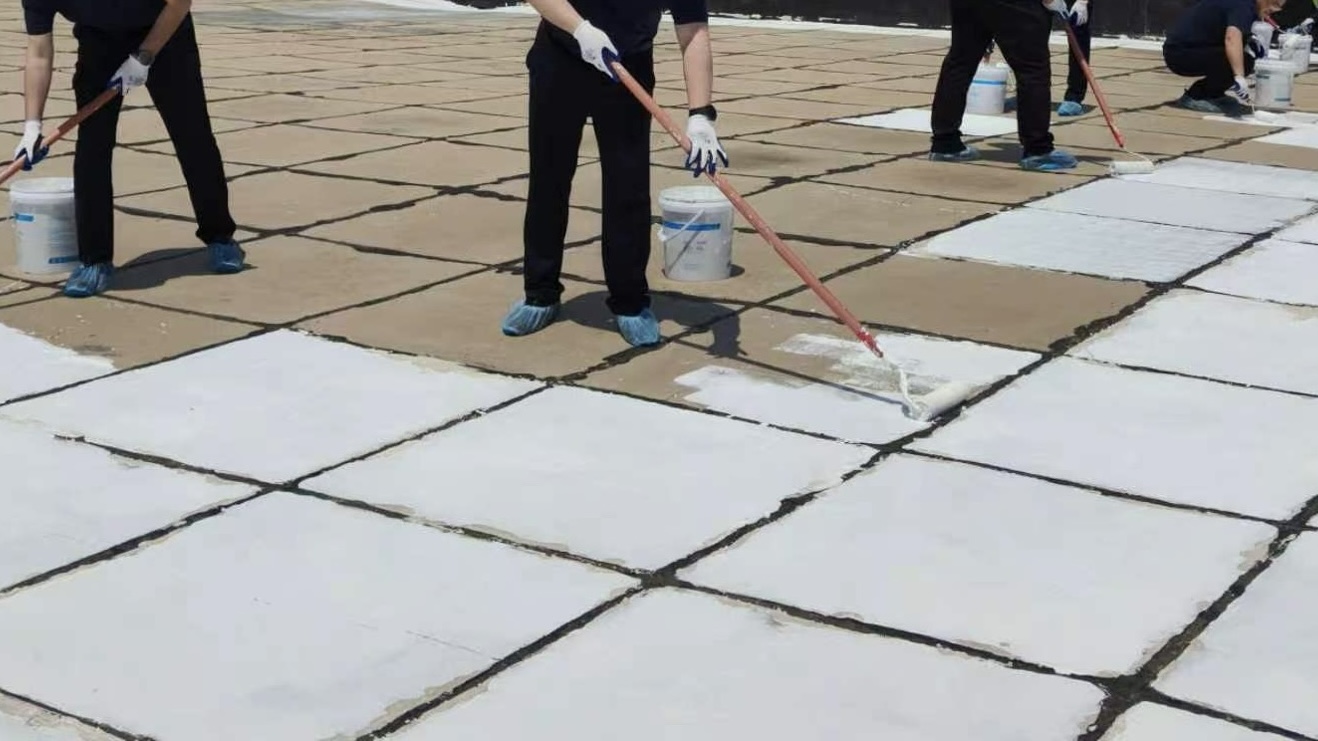
Early observations have shown promising results, with indoor temperatures reduced by approximately 8°C even before the peak summer season. This improvement is expected to enhance classroom comfort and create a more conducive environment for teaching and learning.
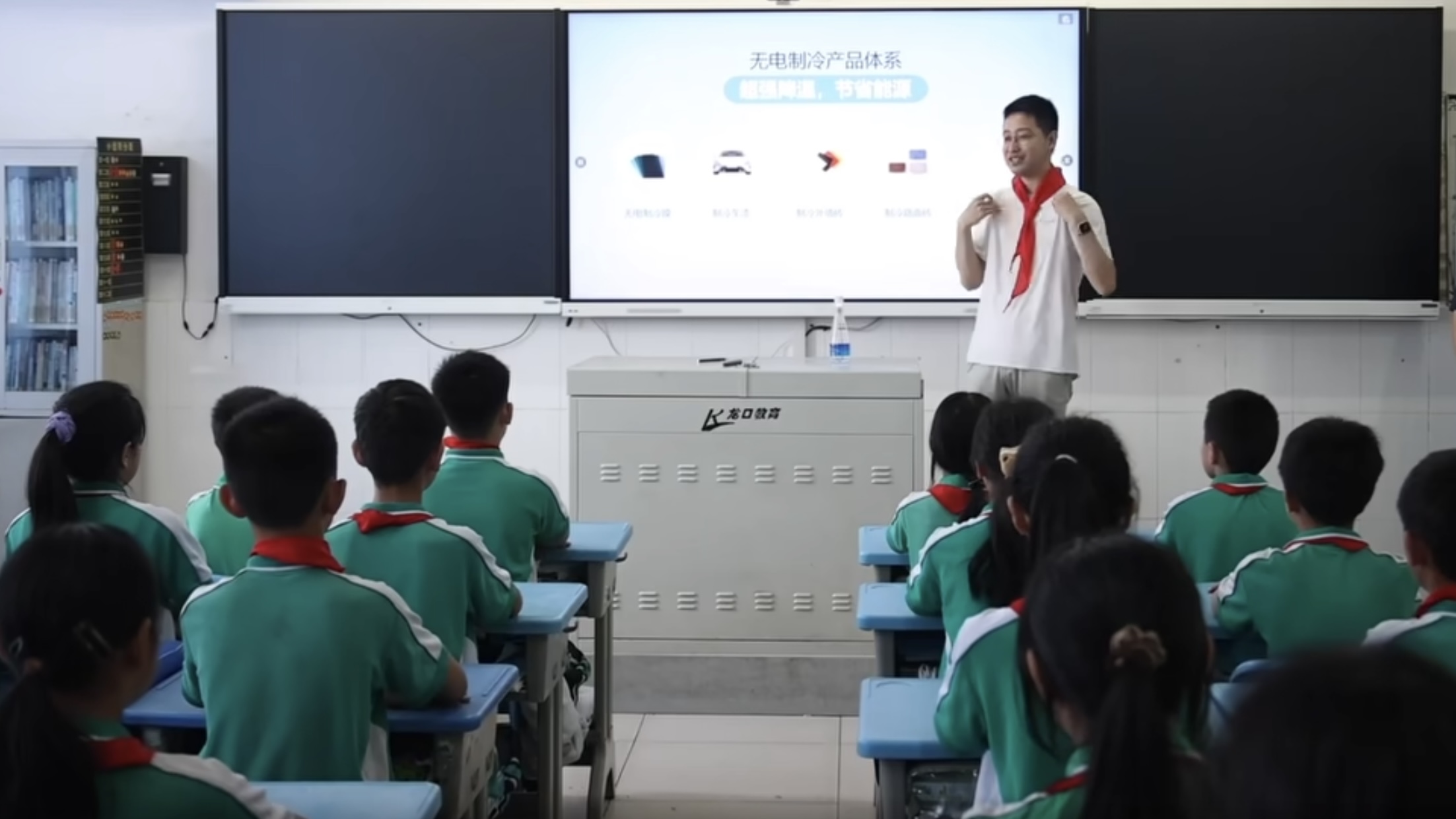
Beyond the technology deployment, Professor Martin Zhu Yi-Hao, Adjunct Professor in the Department of Management at CityUHK and Co-founder and CEO of i2Cool, joined students at Beima Primary School for a green technology class. He introduced the principles of climate resilience, sustainability, and passive cooling innovations, while encouraging students to explore how science and technology can help address climate challenges and build a more sustainable future.
By bringing innovative climate adaptation technologies to underserved communities, the project reflects the FIRST Programme's commitment to promoting equitable access to sustainability solutions. The initiative demonstrates how partnerships among academia, industry, and local communities can generate meaningful social and environmental impact while addressing local needs.
As the FIRST Programme continues to expand its outreach across different regions, it remains committed to advancing practical, community-based climate solutions that improve quality of life, strengthen resilience, and support sustainable development for future generations.