

Cultivating Tomorrow’s Climate Leaders: UN‑FIRST Programme Expands Innovation Efforts in Hong Kong School
12 February 2026
The Fostering Innovation for Resilience and Sustainable Transformation (FIRST) Programme—an initiative endorsed by UNESCO and led by City University of Hong Kong (CityUHK)—continued its mission to advance community‑based climate action by bringing its cooling technology outreach to C.C.C. Heep Woh Primary School (Cheung Sha Wan) in Hong Kong on 12 February 2026.
Supported by local partners including i2Cool, Sham Ching Youth Association, and the Sham Shui Po District Office (in alphabetical order), the activity engaged more than 250 students through STEM experiments and demonstrations of passive radiative cooling technologies, transforming the campus into a model of sustainable urban adaptation to lower indoor temperatures without the use of electricity.
The event began with a keynote by Prof. Edwin Tso, Programme Director of FIRST, who highlighted the school’s multi‑year collaboration with his research team. The school has adopted several passive cooling technologies—including films in the library and reflective cooling coatings on the rooftop—to alleviate classroom overheating and enhance learning comfort.
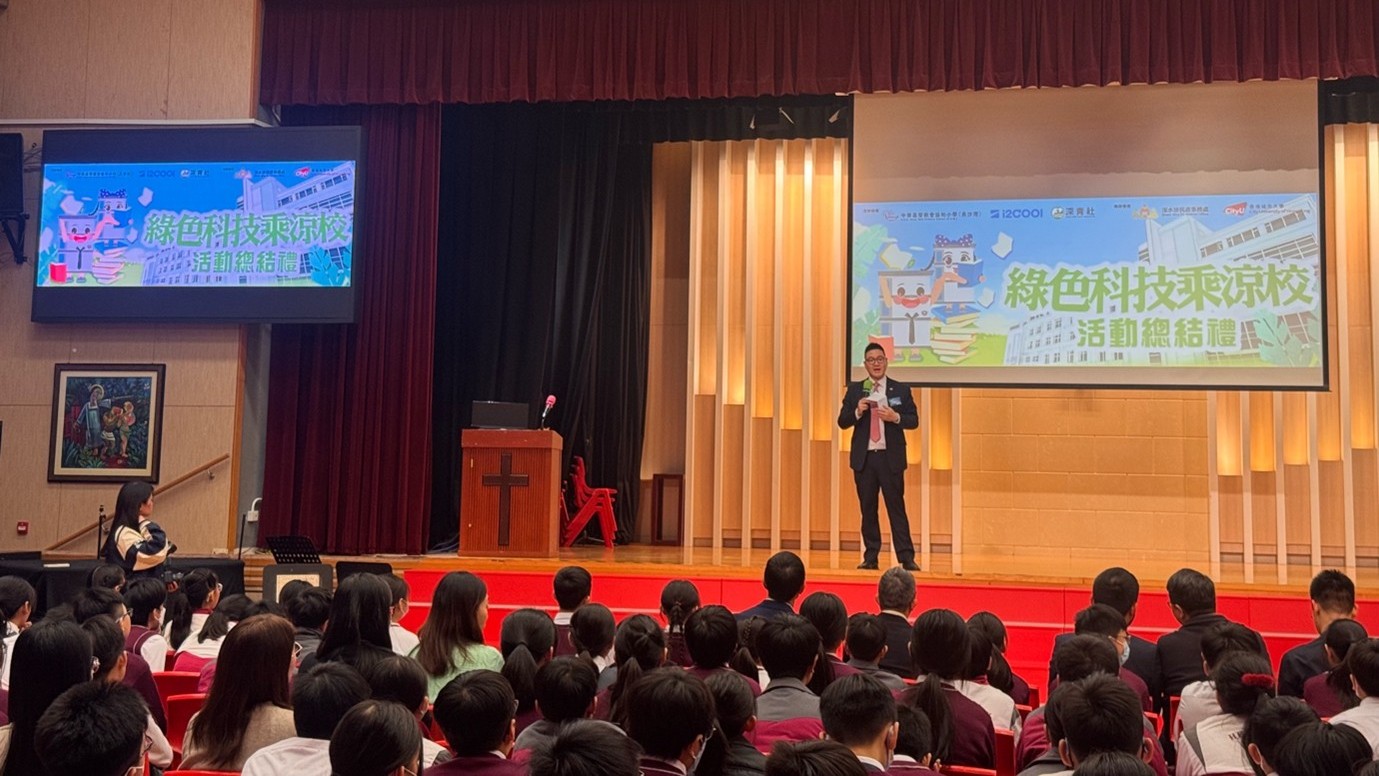
Keynote delivered by Prof. Edwin Tso to the students.
A highlight of the event was a rooftop visit to showcase the school’s newly applied passive radiative cooling coating. The participants observed how the material reduces heat absorption and improves indoor thermal conditions. Students also gained an understanding of the coating’s cooling mechanism by observing its outcomes.
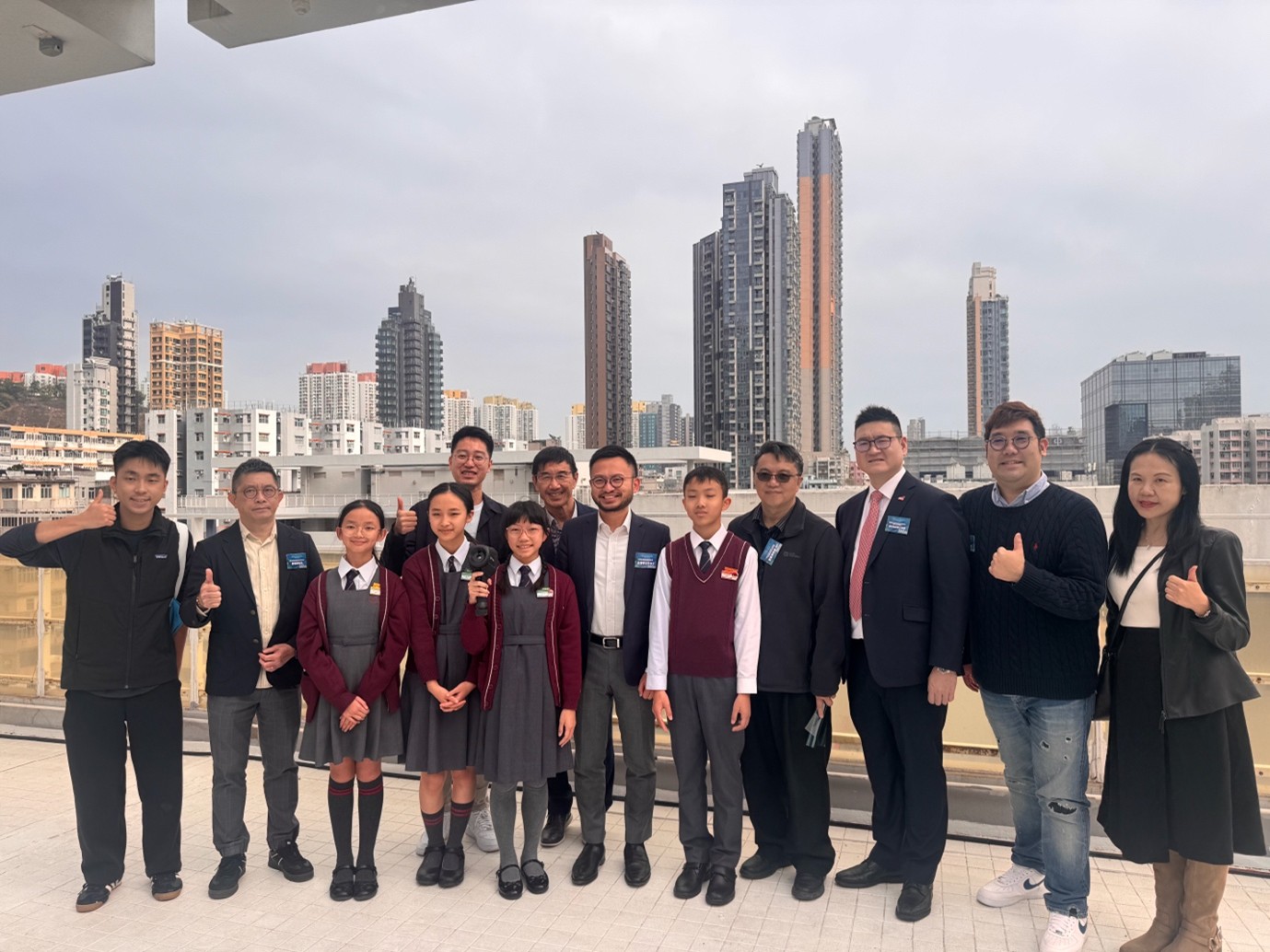
Participants visited the school rooftop to observe the applied passive radiative cooling coating.
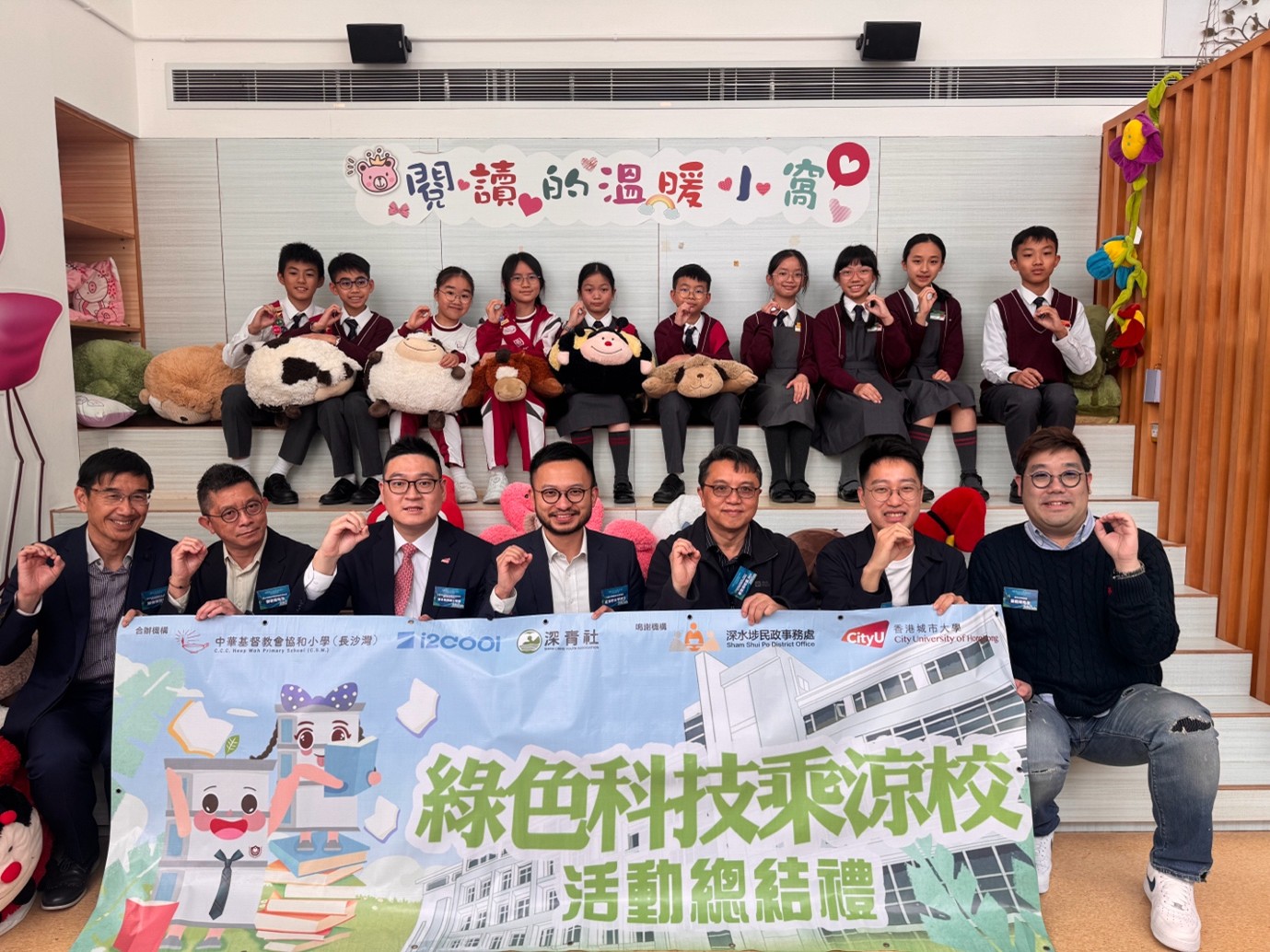
(Front row, from left: Mr. Cheng Chun Kit (Vice Principal of C.C.C. Heep Who Primary School (C.S.W)), Mr. Kwong Ka Kuen (Senior Liaison Officer of Sham Shui Po District Office), Prof. Edwin Tso (Associate Dean at the School of Energy and Environment CityUHK, Co-founder of i2Cool), Mr. Wong Ho Yu, JP (District Officer of Sham Shui Po District Office), Mr. Choi Sai Hung (Principal of C.C.C. Heep Who Primary School (C.S.W)), Dr. Martin Zhu (CEO and Co-founder of i2Cool), and Mr. Miu Hoi Ming (Project Director of Sham Ching Youth Association))
Inside the campus, interactive STEM stations enabled students to conduct hands on experiments demonstrating temperature drop effects using cooling paints and films. Students also explored how the films help prevent books and classroom materials from yellowing under sunlight—an accessible introduction to material science and environmental physics. These activities equipped students with practical insights into how passive cooling technologies function and why they are vital for climate resilience in urban communities.
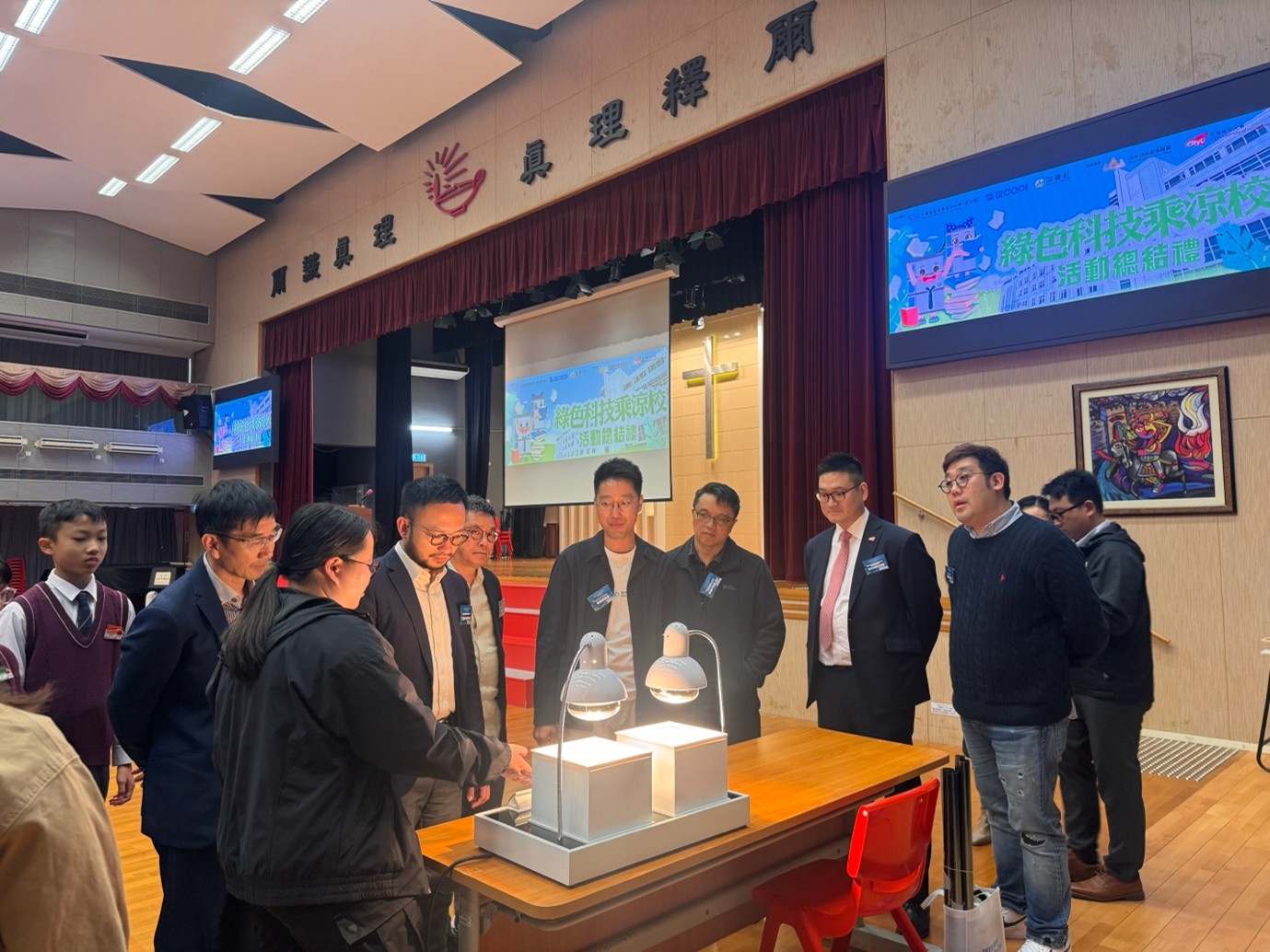
Model boxes demonstrating the principles of passive radiative cooling technology.
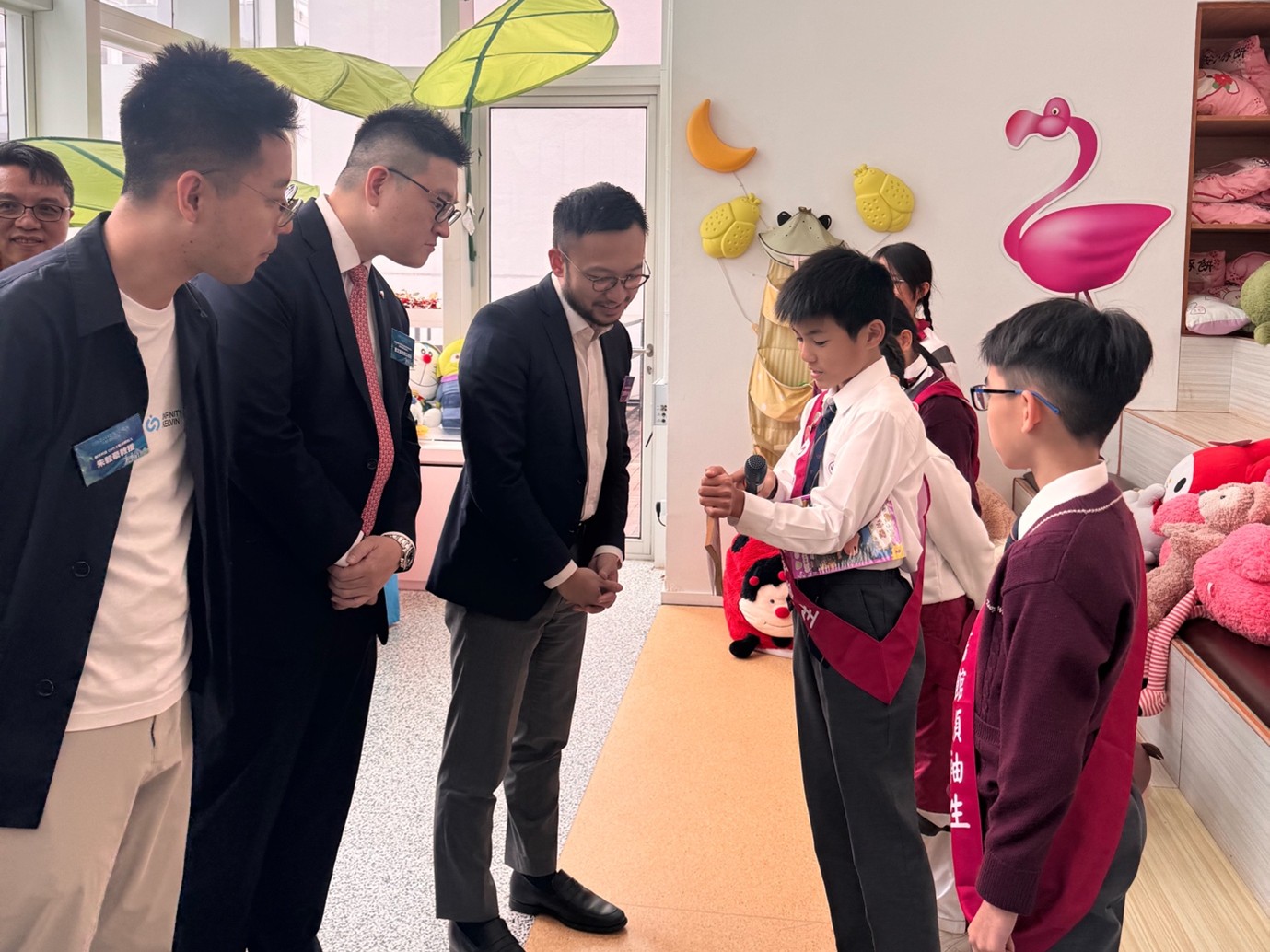
Students’ sharing on how the films prevent books from yellowing under sunlight.
By integrating scientific learning, experimentation, and real world application, the event reflected the FIRST Programme’s commitment to empowering young people as future sustainability leaders. Strong student participation underscored the school community’s dedication to environmental stewardship and highlighted the growing momentum for green innovation within Hong Kong’s education sector, paving the way for improved thermal comfort in schools.
As the FIRST Programme continues expanding to more schools and communities, it remains committed to nurturing a new generation of climate aware innovators and contributing to a more sustainable, resilient future for Hong Kong and beyond.